parylene c coating-the ultimate parylene coat for Medical silicone Cable Biocompatible
Advanced Medical Silicone Cables with Biocompatible Parylene C Coating
While silicone rubber is the premier choice for flexible, autoclave-resistant medical devices, its inherently high-friction, sticky surface poses severe clinical challenges, such as lint attraction and difficult handling during surgery. Conectmed solves this with our integrated custom silicone cable extrusion and micro-layer Parylene C vacuum deposition.
By polymerizing a pinhole-free, ultra-thin Parylene C coating directly onto the silicone rubber jacket, we transform the surface to deliver a silky-smooth, low-friction “cyber-skin” feel while enhancing barrier protection against fluids and continuous hospital-grade chemical disinfectants.
* Zero Stickiness, Low Friction: Drastically reduces the surface friction coefficient of silicone lines, ensuring smooth tracking in surgical theaters and endoscopy carts.
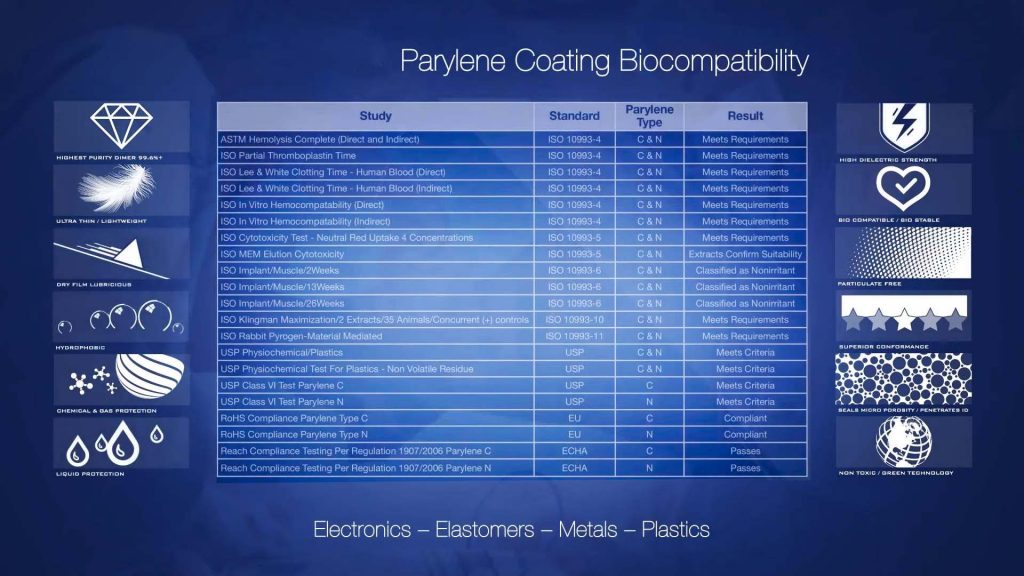
* True USP Class VI Biocompatibility: The Parylene C barrier shields against polymer leaching, offering exceptional cytotoxicity and tissue-contact defense.
* Dielectric & Chemical Armor: Provides a pinhole-free insulation layer that boosts the dielectric strength of high-voltage medical cables and prevents sterilization degrade.

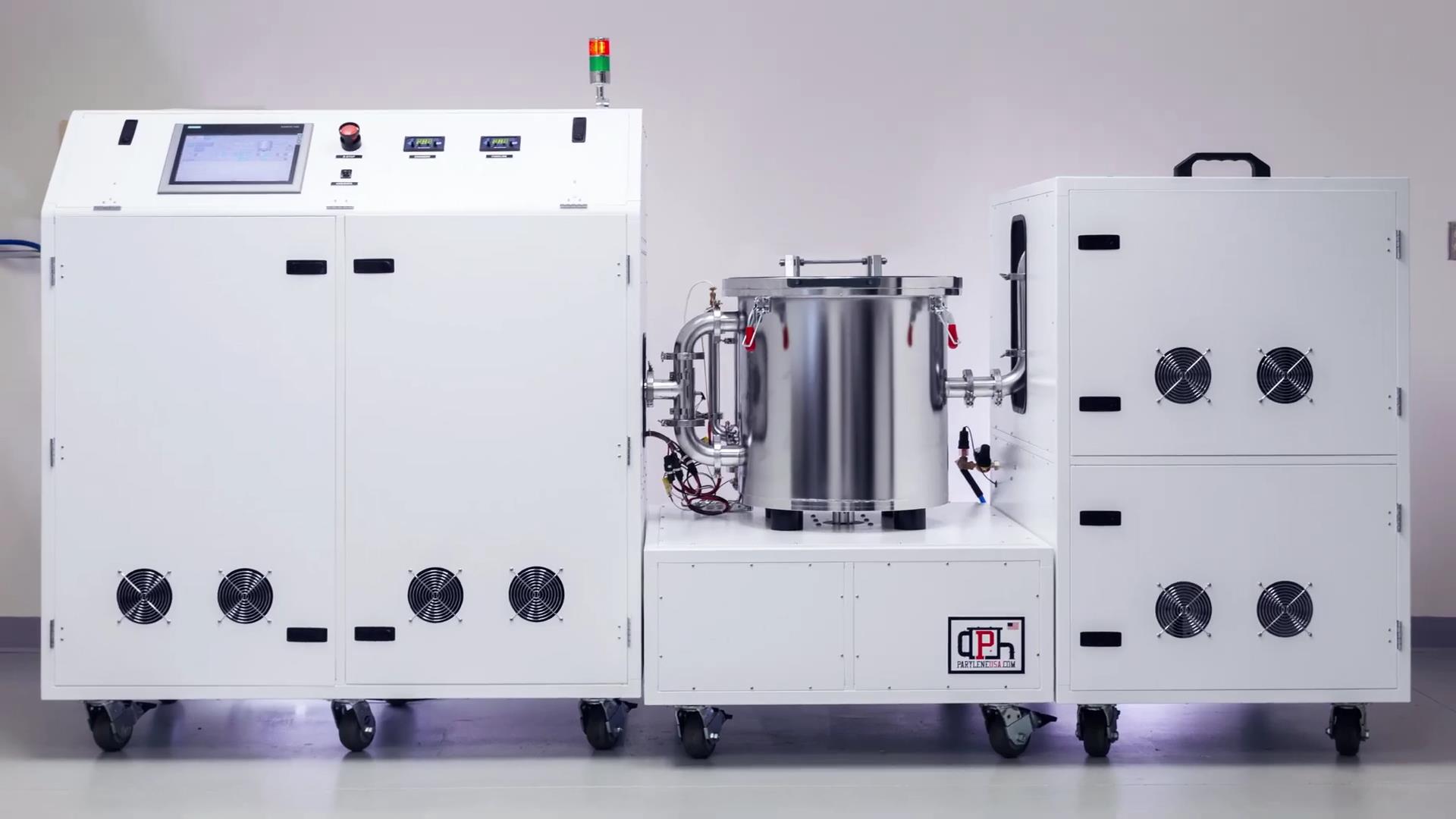
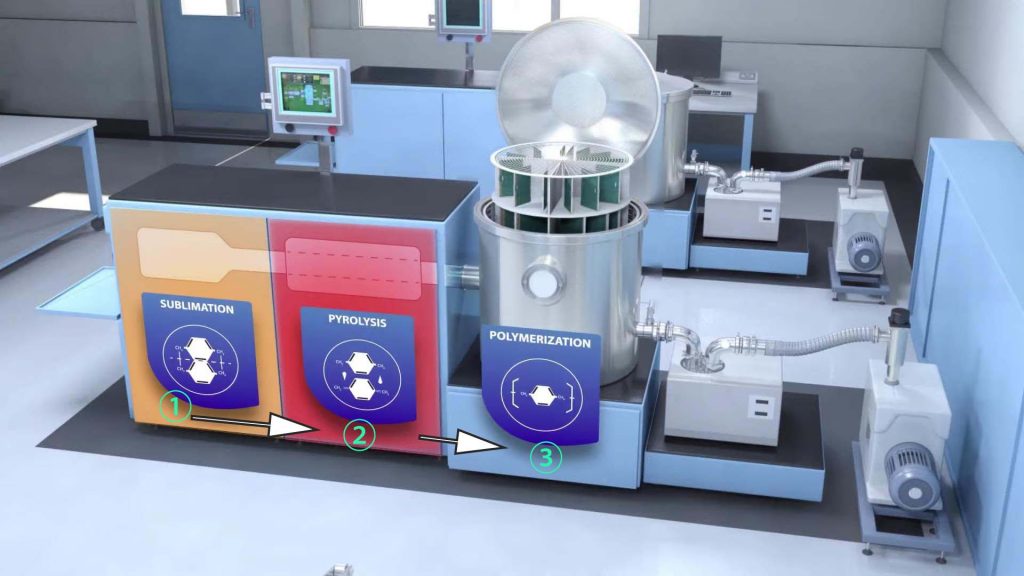
Parylene C coating device
Why Parylene C Coating is the Ultimate Solution for Medical Silicone Cables?
Parylene C coating is a specialized Parylene coat that provides a perfect balance of protection and biocompatibility. It effectively solves two major challenges in medical silicone cable manufacturing:
- Silicone Dust Stickiness: Silicone surfaces often attract dust and particles, which can compromise the performance and cleanliness of medical devices. Parylene C coating creates a smooth, non-stick surface that prevents dust accumulation.
- Biocompatibility: Medical devices must meet stringent biocompatibility standards (e.g., ISO 10993). Parylene C coating is FDA-approved and biocompatible, making it ideal for applications involving direct or indirect contact with the human body.
While Parylene N coating is also used in medical applications, Parylene C stands out due to its superior moisture resistance and chemical inertness, making it the ultimate choice for medical silicone cables.
| Coated Cable Property | Parylene C Technical Specifications | Conectmed Cable Manufacturing Advantage |
|---|---|---|
| Base Material Extrusion | Medical-Grade High-Consistency Silicone Rubber (HCR) / Liquid Silicone (LSR) | 100% molecular bonding via post-extrusion curing; the coating will not peel or flake during tight bending. |
| Coating Thickness Range | 0.5 to 2.0 Microns (Customizable Vacuum Vapor Deposition) | Micro-thin protection that preserves 100% of our silicone wire’s ultra-flexible, zero-tension ergonomics. |
| Friction Reduction | Reduces silicone surface friction coefficient by up to 70-80% | Delivers a dry, smooth matte finish; perfectly eliminates silicone dust stickiness and cable dragging in operating rooms. |
| Sterilization Survival | Steam Autoclave (134°C), EtO Gas, Gamma Radiation, and E-Beam | Protects underlying silicone jacket from surface whitening; tolerates hundreds of aggressive clinical wiping cycles. |
| Agile Sourcing MOQ | Flexible Production Runs (Starting from 1,000 meters) | Dedicated to medical device R&D engineering sprints, clinical device trials, and batch manufacturing. |
Stop Struggling with Sticky, High-Friction Silicone Cables in Your Medical Device Designs.
At Conectmed, we don’t just provide documentation—we are an ISO 13485 aligned medical cable manufacturer providing fully integrated, blueprint-ready medical silicone cables featuring flawless Parylene C vacuum coatings. Get rid of massive supply chain MOQs and leverage our agile trial production runs.
* Fully Customizable Cores: Integrate high-voltage lines, shielded pairs, and micro-volt ECG signal paths into one coated silicone jacket.
* Fast Turnaround Prototyping: Short run setups starting from 1,000 meters to accelerate your FDA/CE clinical trials.
[Submit Your Silicone Cable Drawing & Request an Agile Coated Cable Quote Now!]
Key Properties of Parylene C Coating
Parylene C coating offers a unique combination of properties that make it indispensable in the medical industry:
- Moisture Resistance: With a water vapor transmission rate of just 0.08 g/m²/day, Parylene C provides exceptional protection against humidity and liquid exposure.
- Chemical Inertness: It resists corrosion from disinfectants, bodily fluids, and other chemicals commonly encountered in medical environments.
- Biocompatibility: Compliant with ISO 10993 standards, Parylene C is safe for use in implantable devices and other medical applications.
- Mechanical Protection: The coating is highly flexible and durable, protecting cables from abrasion, bending, and other mechanical stresses.
The Parylene C Coating Process
The Parylene C coating process involves a chemical vapor deposition (CVD) technique, which ensures uniform and pinhole-free coverage. Here’s a step-by-step overview:
Vaporization: Solid Parylene C dimer is heated to form a vapor.
Pyrolysis: The vapor is broken down into monomeric form at high temperatures.
Deposition: The monomeric gas is deposited onto the substrate (e.g., medical silicone cable) at room temperature, forming a thin, uniform Parylene coat.
Curing: The coating adheres firmly to the substrate, creating a durable protective layer.
Applications of Parylene C Coating in Medical Wire Harnesses
Parylene C coating is widely used in various medical applications, particularly for medical silicone cables. Here are some examples:
Endoscope Cables: The coating ensures smooth operation and prevents contamination during procedures.
Gastroscope Wires: Parylene C protects against chemical exposure and enhances biocompatibility.
Surgical Tool Wires: It provides mechanical protection and resistance to sterilization chemicals.
Implantable Devices: The coating ensures long-term reliability and safety in devices like pacemaker leads.
Benefits of Parylene C Coating in Medical Applications
Enhanced Durability: Extends the lifespan of medical cables.
Improved Performance: Ensures reliable signal transmission and electrical insulation.
Reduced Maintenance: Minimizes the need for frequent cleaning and replacement.
Parylene C coating is the ultimate solution for medical silicone cables, offering unmatched protection, biocompatibility, and performance. Its ability to address silicone dust stickiness and meet stringent biocompatibility standards makes it indispensable in the medical industry. As a leading medical wire harness manufacturer, we rely on Parylene C coating to deliver high-quality, reliable products that meet the demands of modern healthcare.
FQA
The most often used Parylene coatings are Parylene C and Parylene N; each have unique properties for specific use. Detailed comparison will enable you to understand their variations:
①, chemical makeup:
• Parylene N: Parylene is a pure hydrocarbon structure in essentially basic form. Its traits are low dielectric constant and dielectric properties.
• Parylene C: Derived from Parylene N chemically with a chlorine atom. This change increases moisture and chemical resistability.
②. Made weatherproof
• Parylene N: Provides less efficacy than Parylene C. yet great moisture resistance.
• Parylene C: Because of its better moisture barrier properties, ideal for high-humidity conditions including medical equipment exposed to body fluids.
③. Chemical-proof
• Parylene N is perfect for low chemical exposure levels since she has little chemical resistance.
• Parylene C: Perfect for severe medical disorders since she is rather resistant to solvents, acids, and bases.
④- dielectric characteristics
• Parylene N: With her low dielectric constant and great strength, ideal for high-frequency electrical uses.
• Parylene C has rather less dielectric properties than Parylene N.
⑤: biocompatibility
Though less well-known than Parylene C., Parylene N is biocompatible and fit for medical use.
• Parylene C: perfect for direct body contact medical equipment since FDA-approved and biocompatible.
Parylene N. finds use in high-frequency electronic components like sensors and communication systems.
Because of its great moisture and chemical resistance, parylene C is often utilized in surgical tools, silicone cables, and implanted devices.
Although Parylene C and Parylene N offer exceptional protection and performance, Parylene C is advised for medical uses only because of her moisture and chemical resistance and biocompatibility. But high-frequency electronic devices needing dielectric properties gain from parylene N.
Parylene C coating improves medical silicone cable performance, durability, and safety. Medical silicone wires have issues this complex coating solves:
①In humid conditions,such ase operating rooms and sterilization, medical silicone cables can fail electrically and absorb moisture.
The Parylene C coating effectively prevents moisture with a water vapor transfer rate of 0.08 g/m²/day. This ensures constant performance in damp conditions.
②Medical silicone cables can disintegrate when exposed to powerful chemicals including sterilizers, bodily fluids, and disinfectants.
Parylene C coating prevents corrosion and extends cable life.
③For patient safety, medical equipment must meet ISO 10993 biocompatibility standards.
Medical silicone cables for implanted devices or direct-contact applications can be coated with FDA-approved biocompatible Parylene C.
④.Medical silicone cables bend, strain, and abrade during installation and use.The cable’s flexible and robust Parylene C. covering prevents mechanical wear.
⑤. Reduced Silicone Dust Stickiness: Dust and particles on silicone surfaces can affect medical device cleaning and operation.
Parylene C coating keeps wires clean and effective by preventing dust buildup.
⑥.Medical silicone cables need good insulation to carry signals and prevent short connections.The enhanced dielectric strength and electrical insulation of Parylene C coating ensure medical device reliability.
⑦. Applications Endoscope Cables: Parylene C coating for cleanliness and smoothness.The coating protects surgical tool wires from chemicals and prolongs life.
⑧.Implantable devices must ensure pacemaker lead safety and reliability.Parylene C coating improves medical silicone cables’ mechanical protection, biocompatibility, moisture and chemical resistance, and electrical insulation. Due to these benefits, Parylene C. coating is essential for high-performance medical usage
Healthcare professionals choose Parylene C coating for implanted devices.
The reasons are:
1. Biological compatibility
Parylene C coating is FDA-approved and ISO 10993-compliant, making it safe for long-term tissue and fluid contact. It helps pacemaker leads, neurostimulators, and cochlear implants.
2. Barrier
This layer protects implanted devices from moisture, chemicals, and bodily fluids, increasing their lifespan. The low water vapor transmission rate (0.08 g/m²/day) offers protection in humid human surroundings.
3. Flexibility, durability
Flexible Parylene C does not delaminate or shatter when bent or stretched. Body-moving devices need this.
4. Even, thin coating
A thin, homogeneous Parylene C coating is formed by chemical vapor deposition (CVD) to preserve complicated geometries without adding bulk.
5. Electrical Insulation
Dielectric properties provide the coating dependable electrical insulation for cardiac leads that demand correct signal transfer.
Parylene C coating is useful for implanted medical devices due to its biocompatibility, durability, and protection under difficult medical circumstances.